
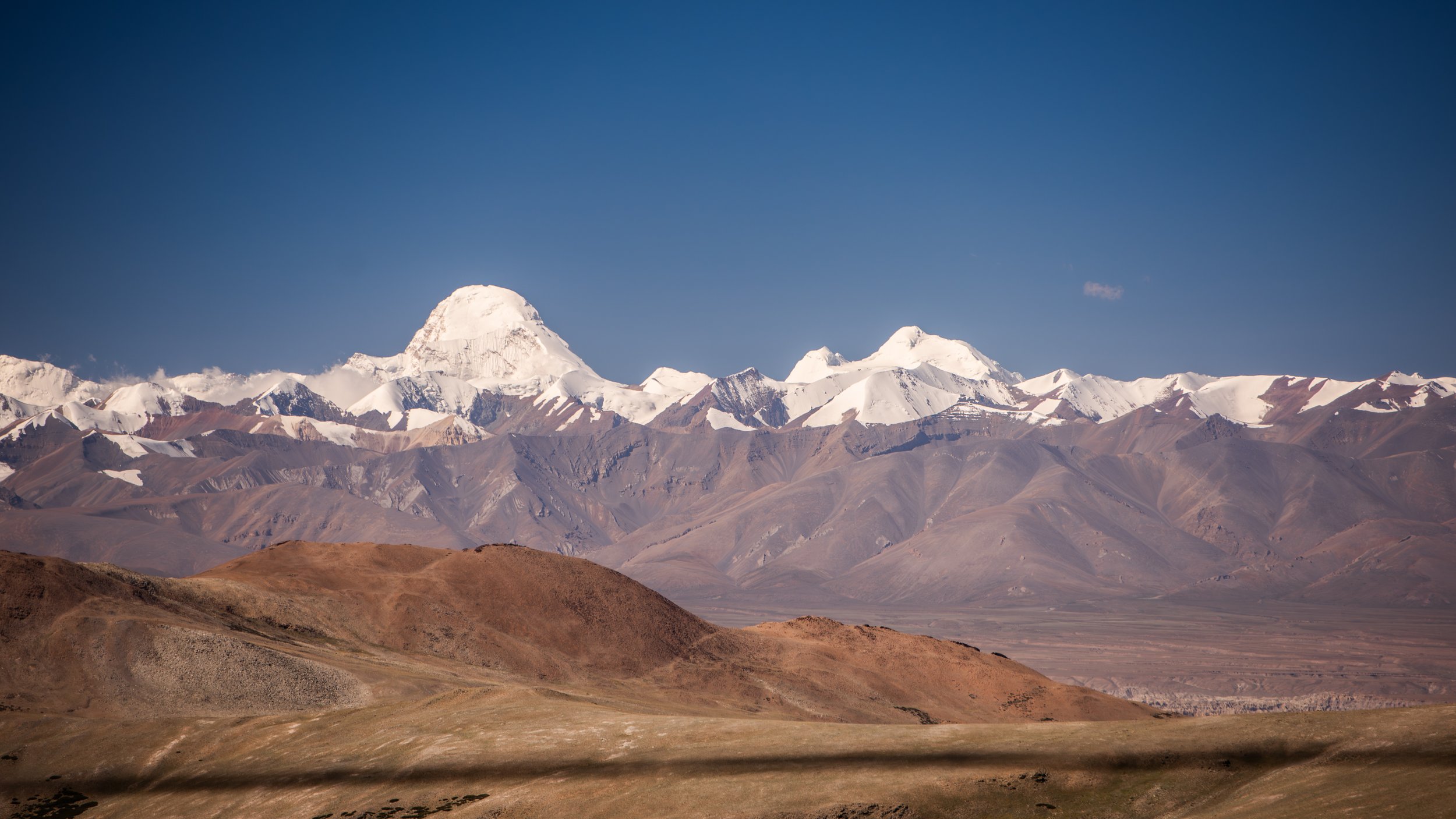
Crossing the Plateau
September 2027
Lhasa · Kailash · Guge Kingdom · Everest
Tibet does not reveal itself quickly. It asks for patience and rewards it with something you will not find elsewhere.
An expedition for six guests across the western Tibetan plateau
- Dates
- September 2027, 18 days
- Location
- Lhasa to western Tibet
- Group
- Six guests
- Rate
- CHF 14’000 to 16’000
Led personally by Jürg KaufmannWith licensed Tibetan guides
AT A GLANCE
Crossing the Plateau is an eighteen day photography expedition across western Tibet in September 2027, from Lhasa to Mount Kailash, the kingdom of Guge and Rongbuk below the north face of Everest. It is led by Swiss fine art photographer Jürg Kaufmann with licensed Tibetan guides, for six guests. The rate is in the range of CHF 14,000 to 16,000 per person.
THE EXPERIENCE
Eighteen days across the roof of the world
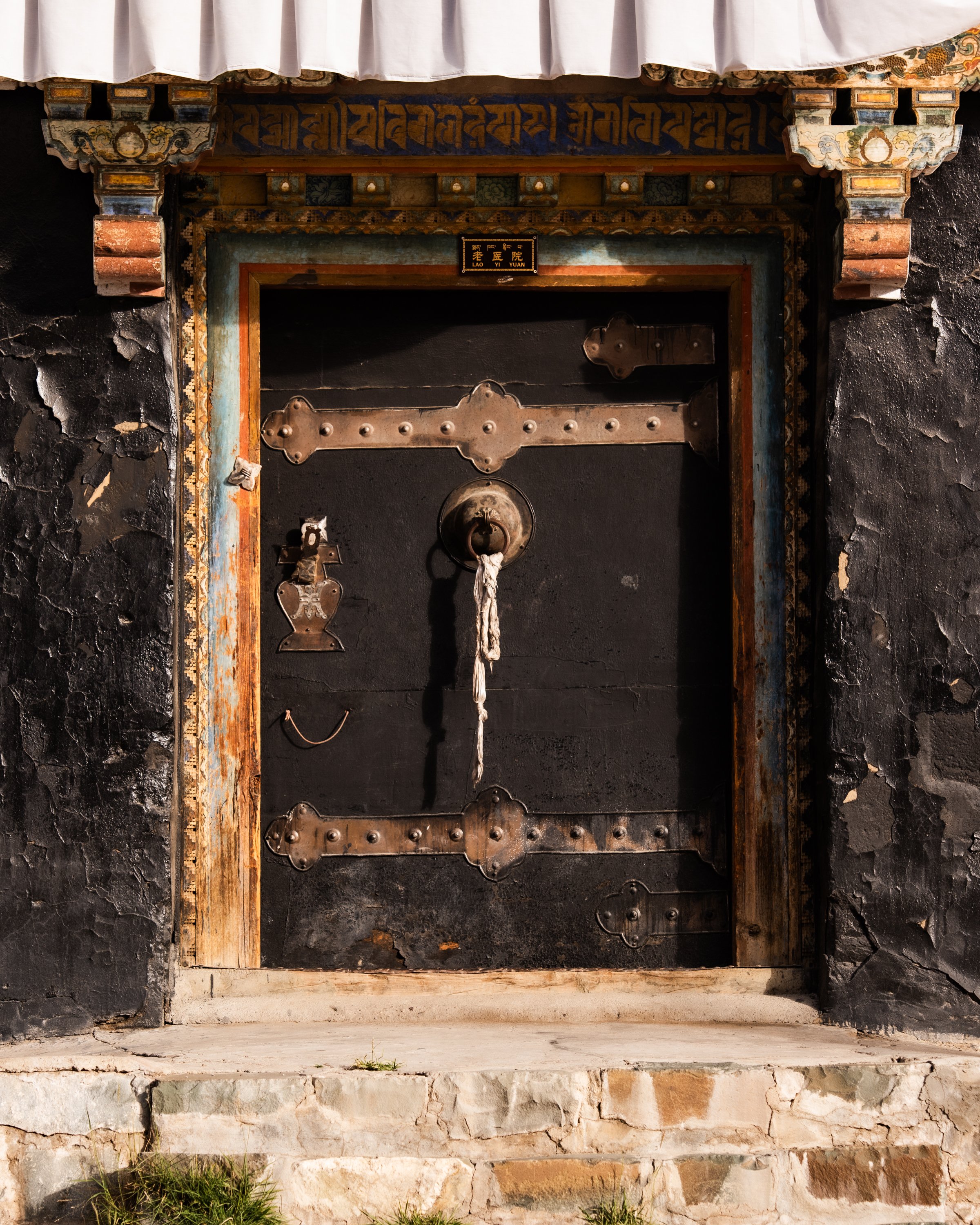
Tibet is not a destination you reach. It is a landscape you enter. Eighteen days from Lhasa across the great high passes to the west, to the edge of inhabited Tibet, and back through the forgotten kingdom of Guge. We travel slowly because the altitude requires it, and because Tibet at any other speed cannot be seen.
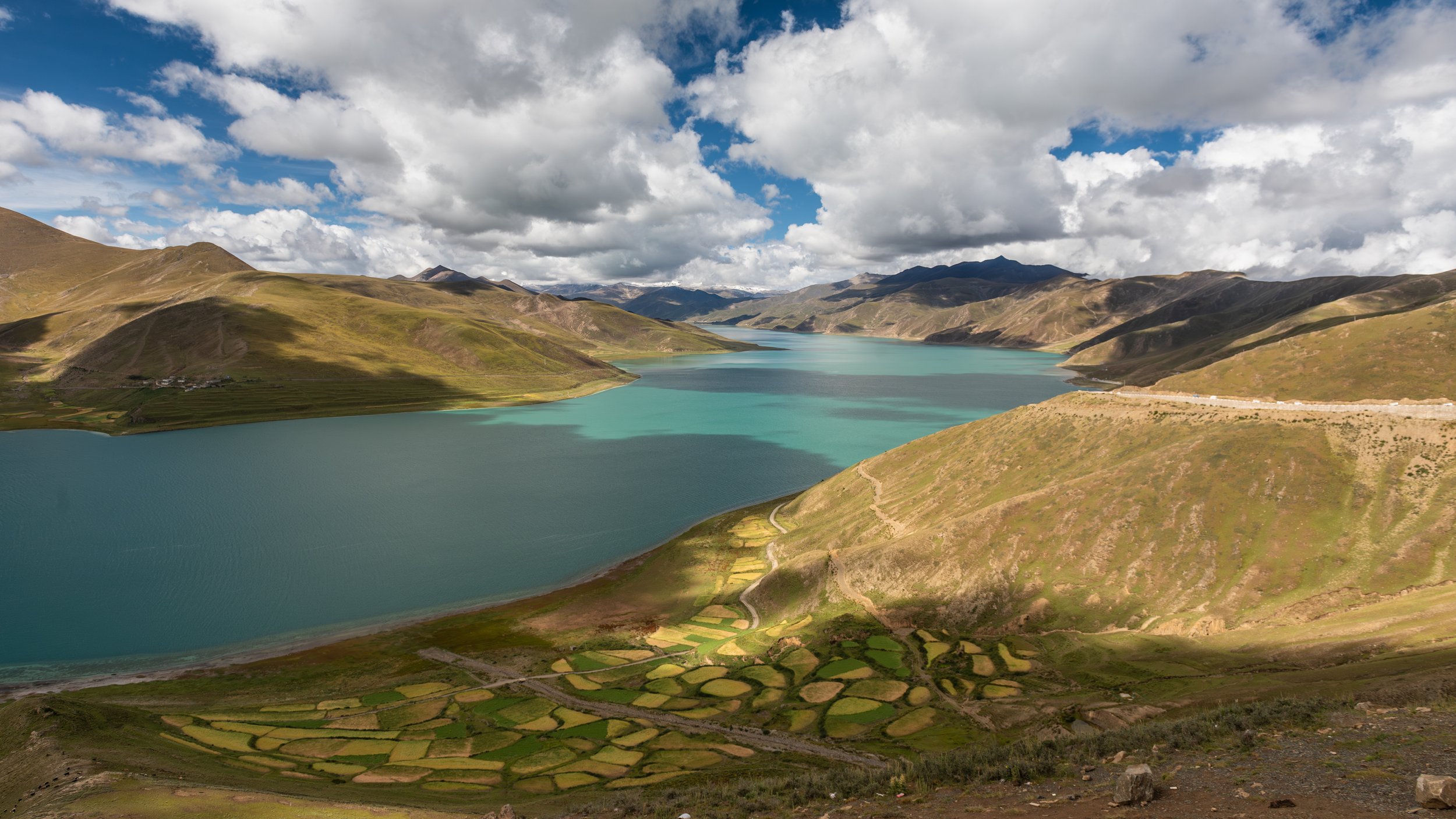
The route follows an arc that touches the essential layers of this country. Lhasa as the historical centre, Shigatse with its great monastery of Tashilhunpo, Yamdrok Yumtso and Manasarovar as sacred lakes.
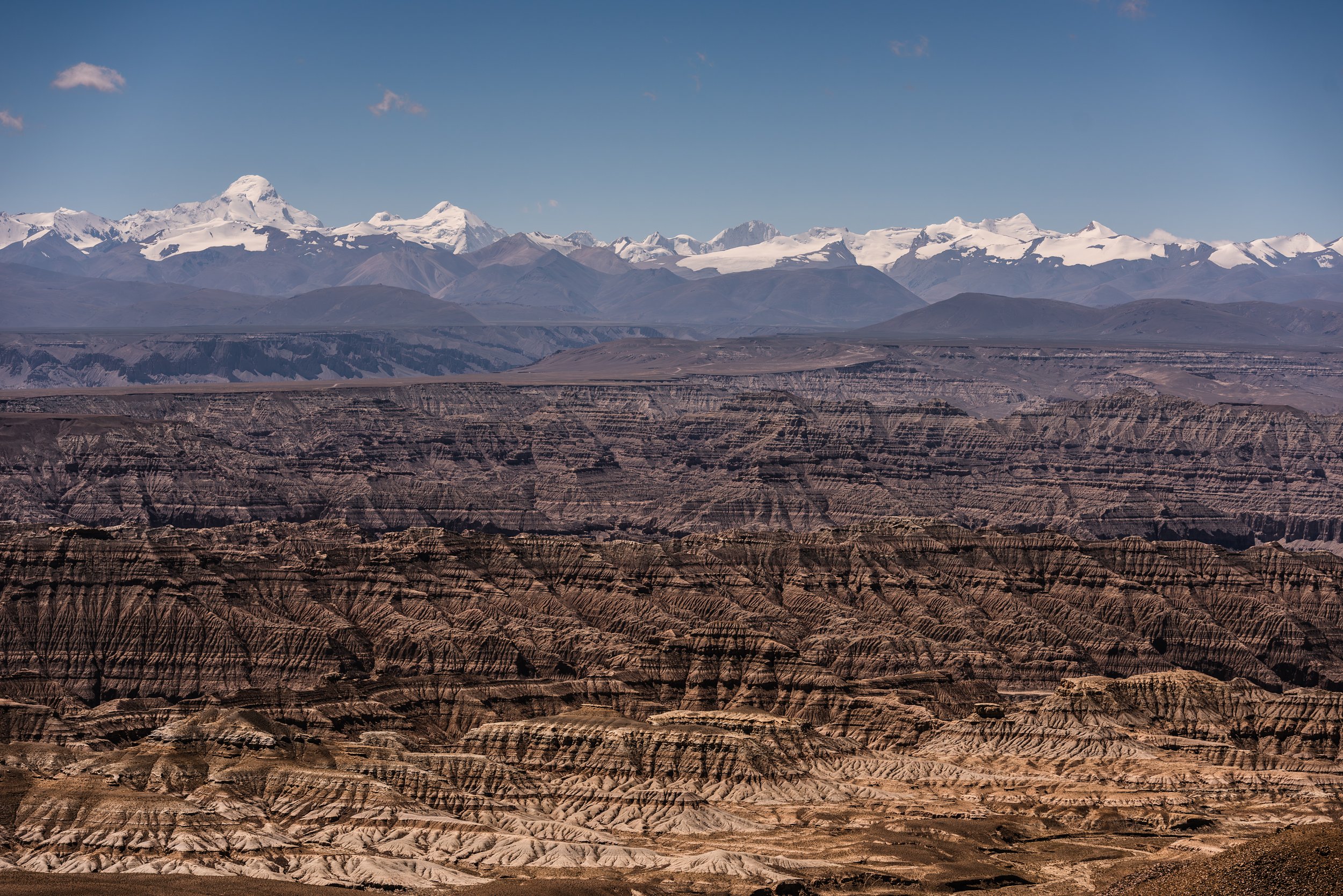
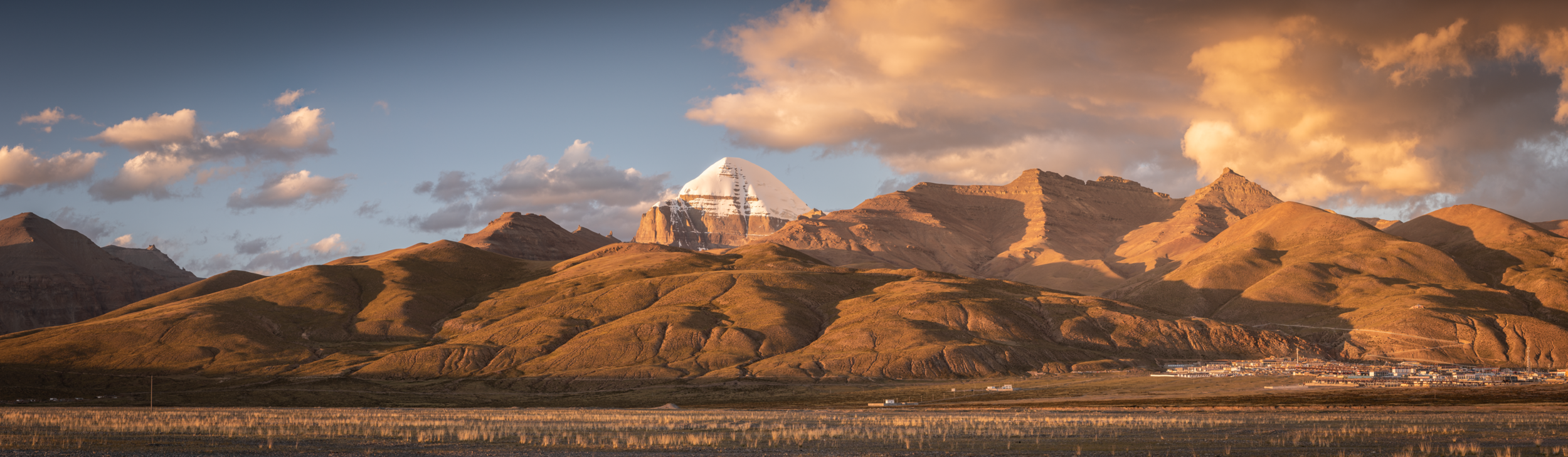
Mount Kailash as the mountain no one has climbed, and the kingdom of Guge as the Tibet that once was and has not been recreated in a thousand years. On the way back, the route passes Rongbuk, the highest monastery in the world, with a view of the north face of Everest.
THE STATE OF THE PROJECT
An expedition in development
This journey takes place in September 2027. The project is in development. The route is almost set, the dates are set, the logistics are in preparation.
We are happy to hear from anyone who is interested. The conversation is open from today. We are communicating the project deliberately and quietly.
WHAT YOU WILL SEE
Landscapes that explain Tibet
I · LHASA AND CENTRAL TIBET
The first days are acclimatisation
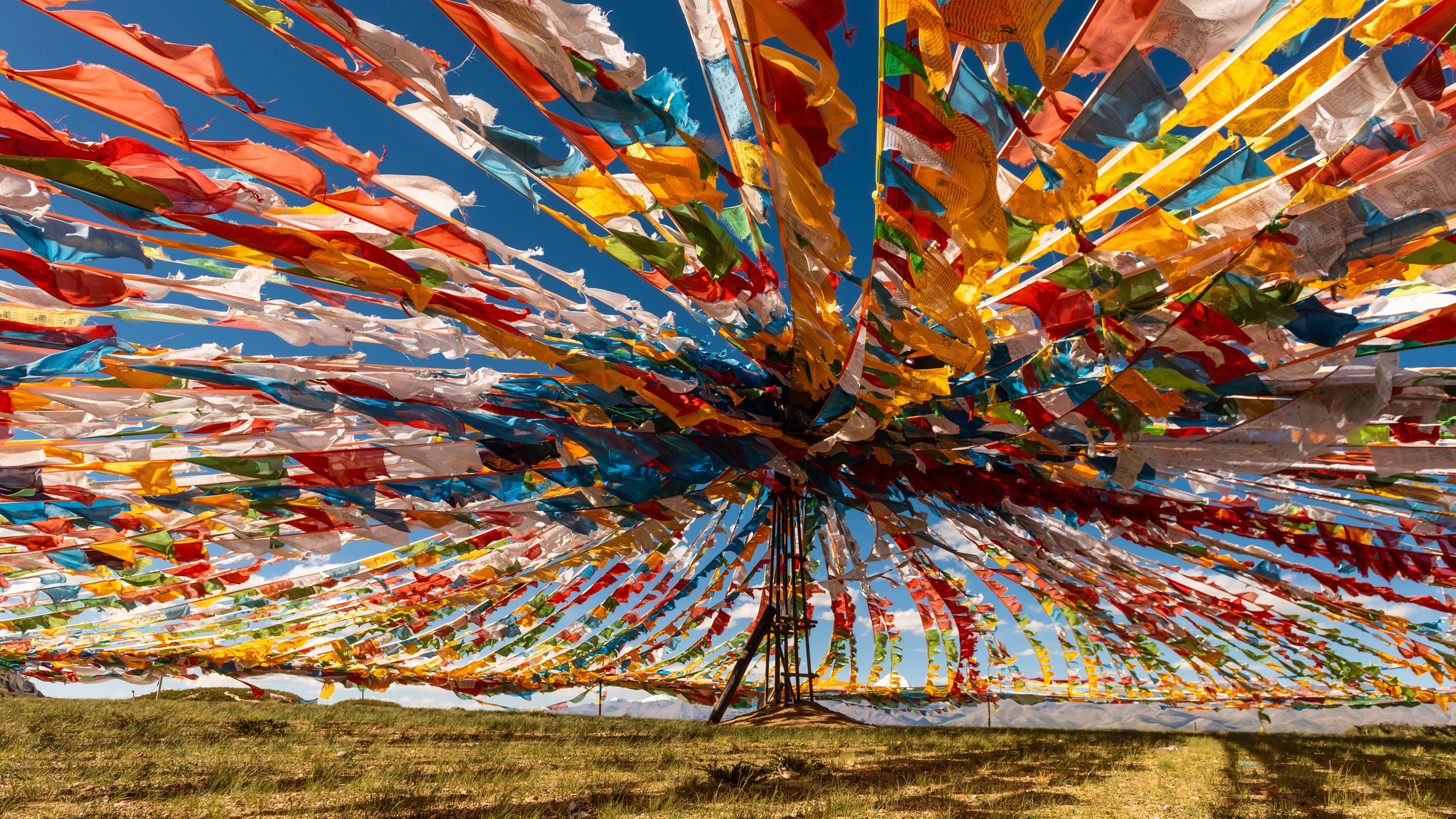
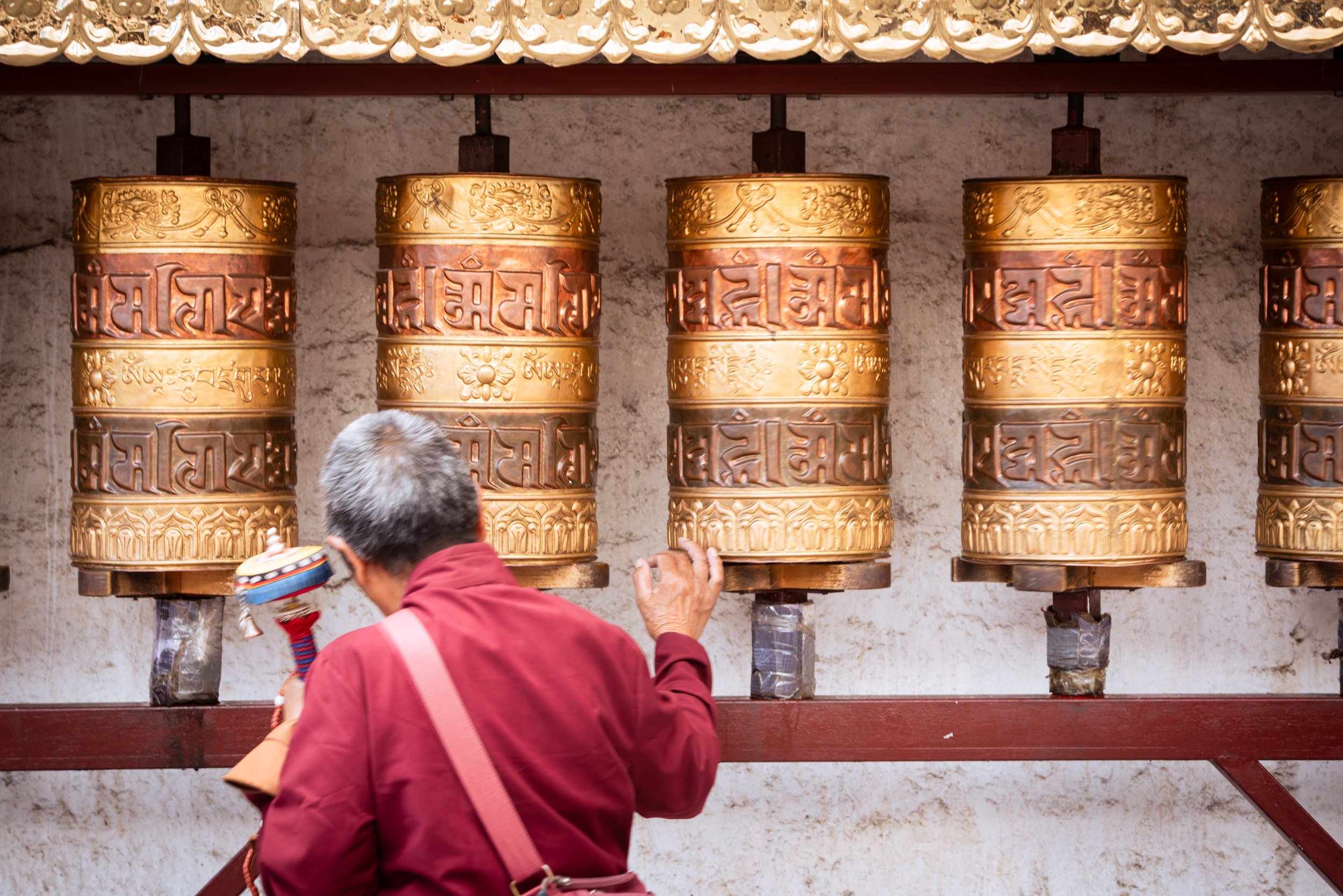
The Jokhang Temple as the oldest spiritual centre, the Potala as a synthesis of power and contemplation, the Yarlung Tsangpo valley with a view back to the beginnings of Tibetan high culture. The altitude of 3,650 metres begins to take effect, the body adjusts, perception sharpens.
II · MOUNT KAILASH AND THE SACRED LAKES
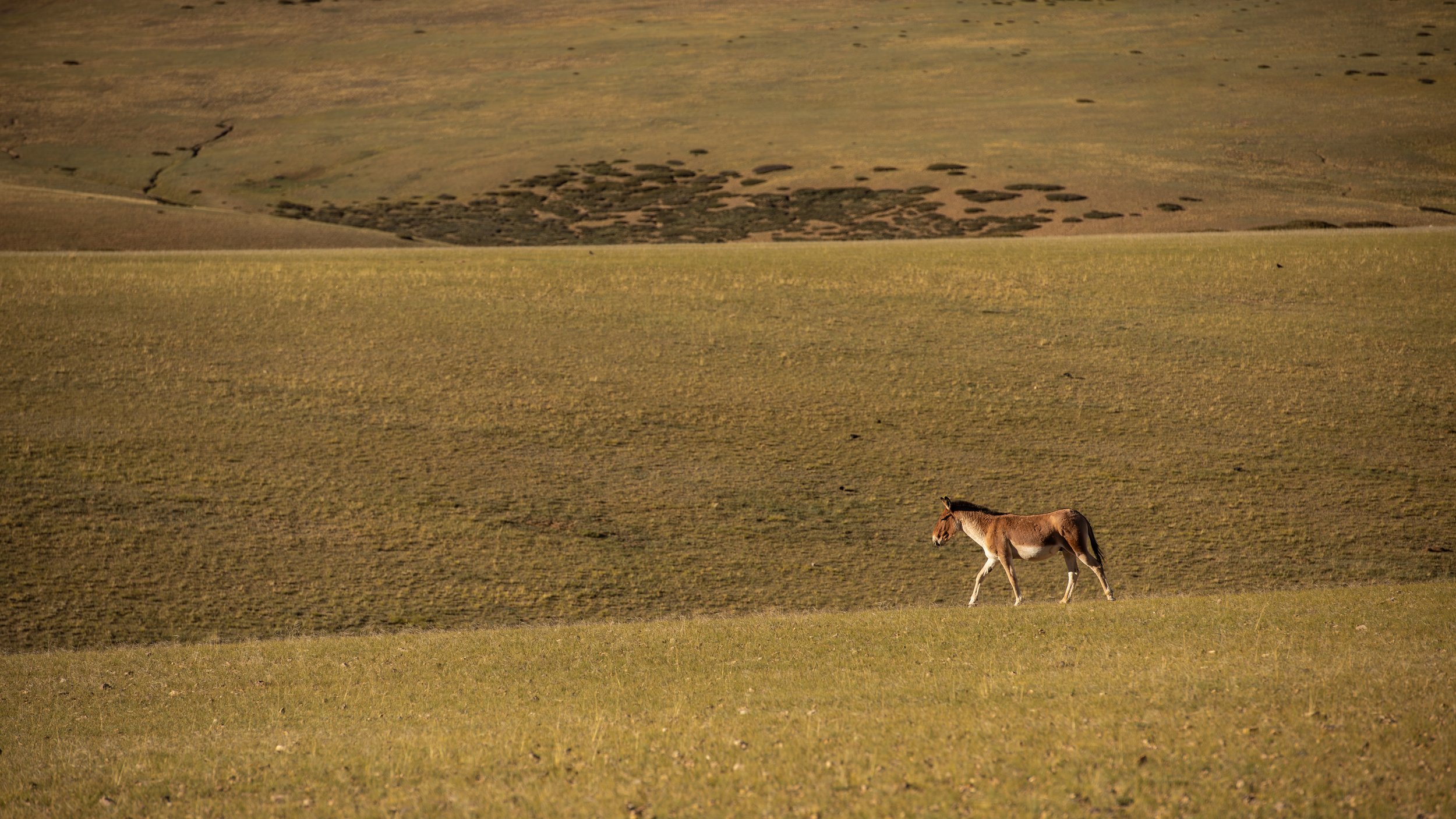
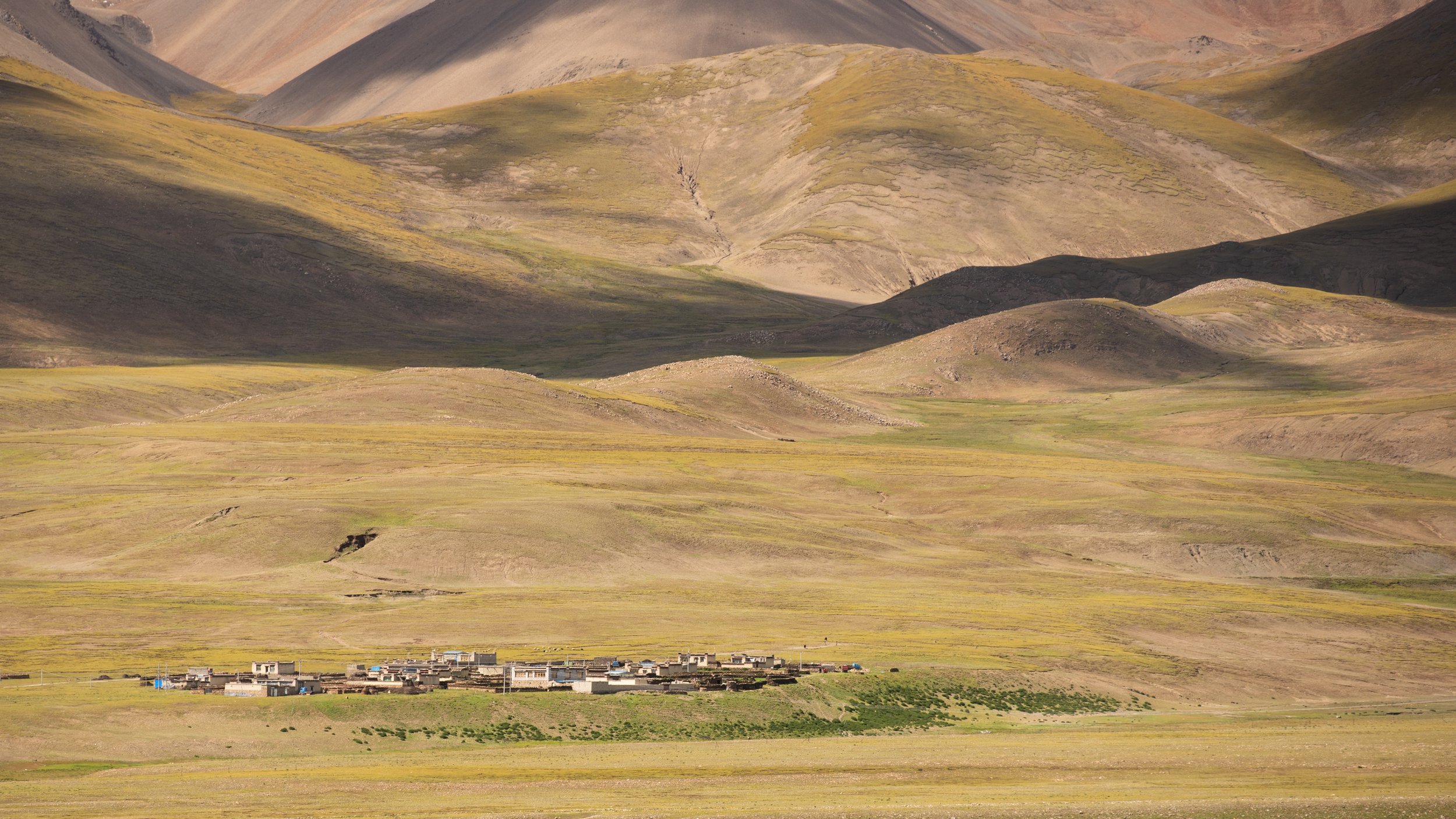
Further west, the open high steppe begins
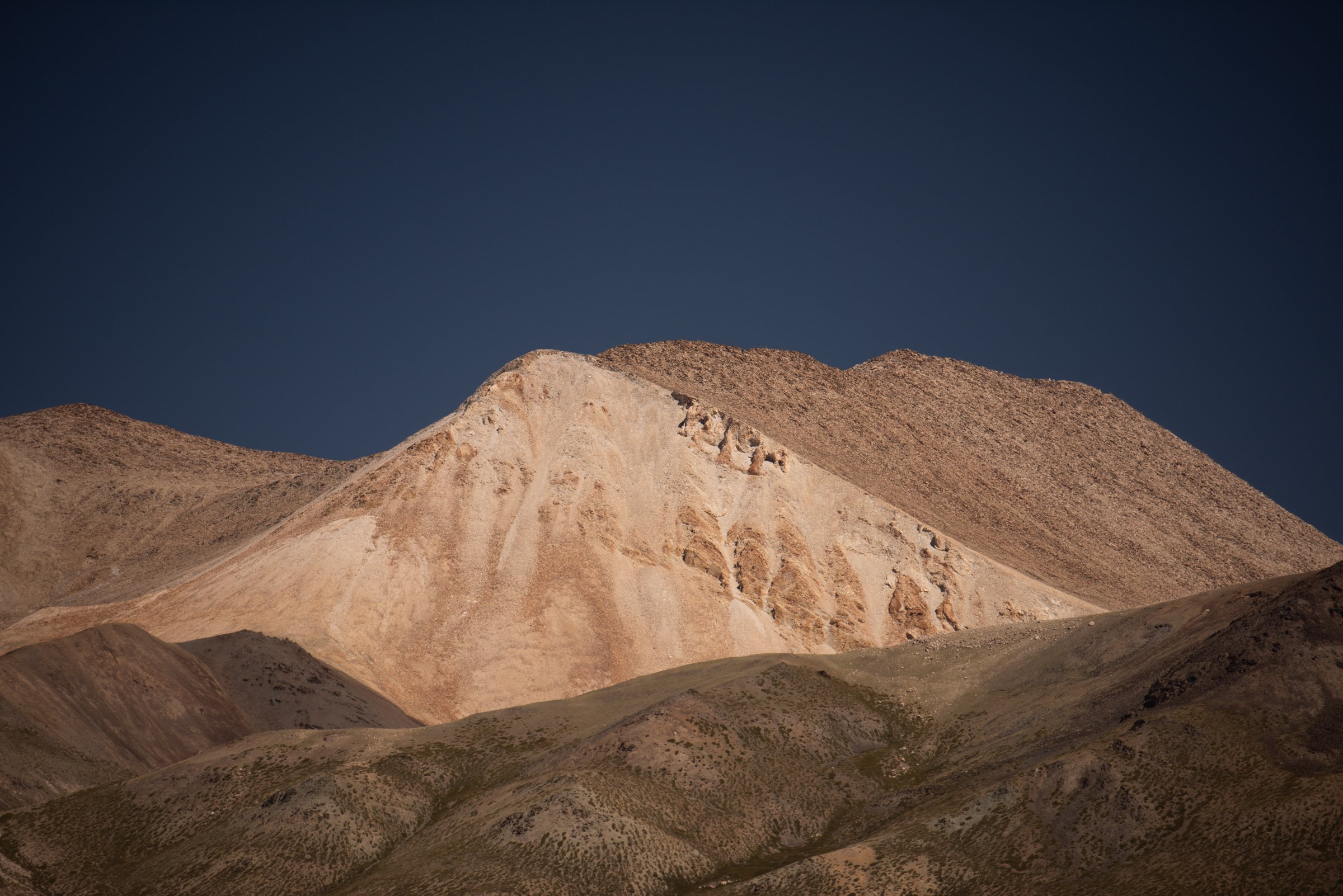
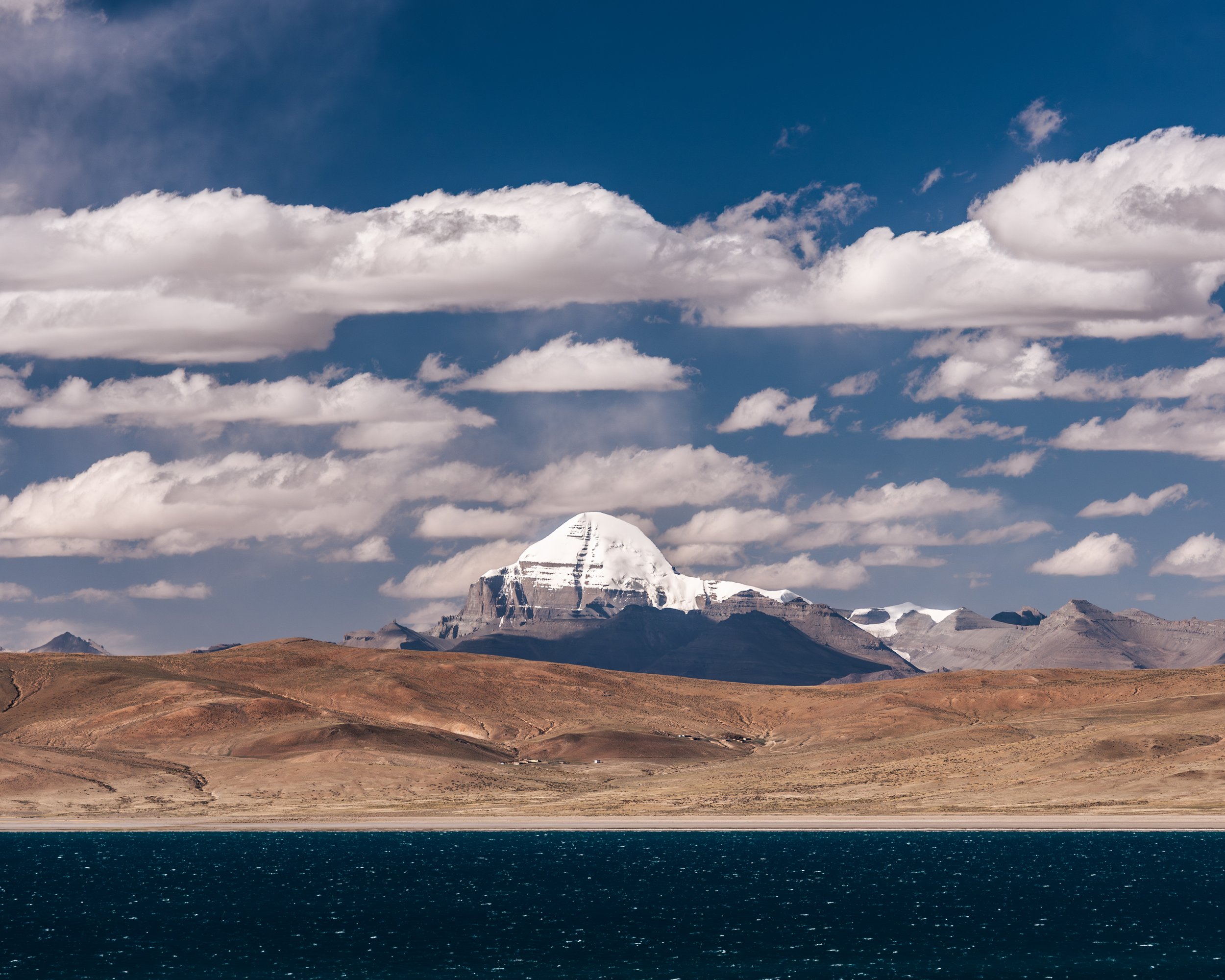
We follow it to Manasarovar, one of the most sacred lakes in Asia, and to Darchen at the foot of Mount Kailash. Four religions see this mountain as the centre of their world. No one has ever climbed it, and no one ever will. We do not circle it. We stand before it, and that is enough.
III · THE KINGDOM OF GUGE
Where time counts differently
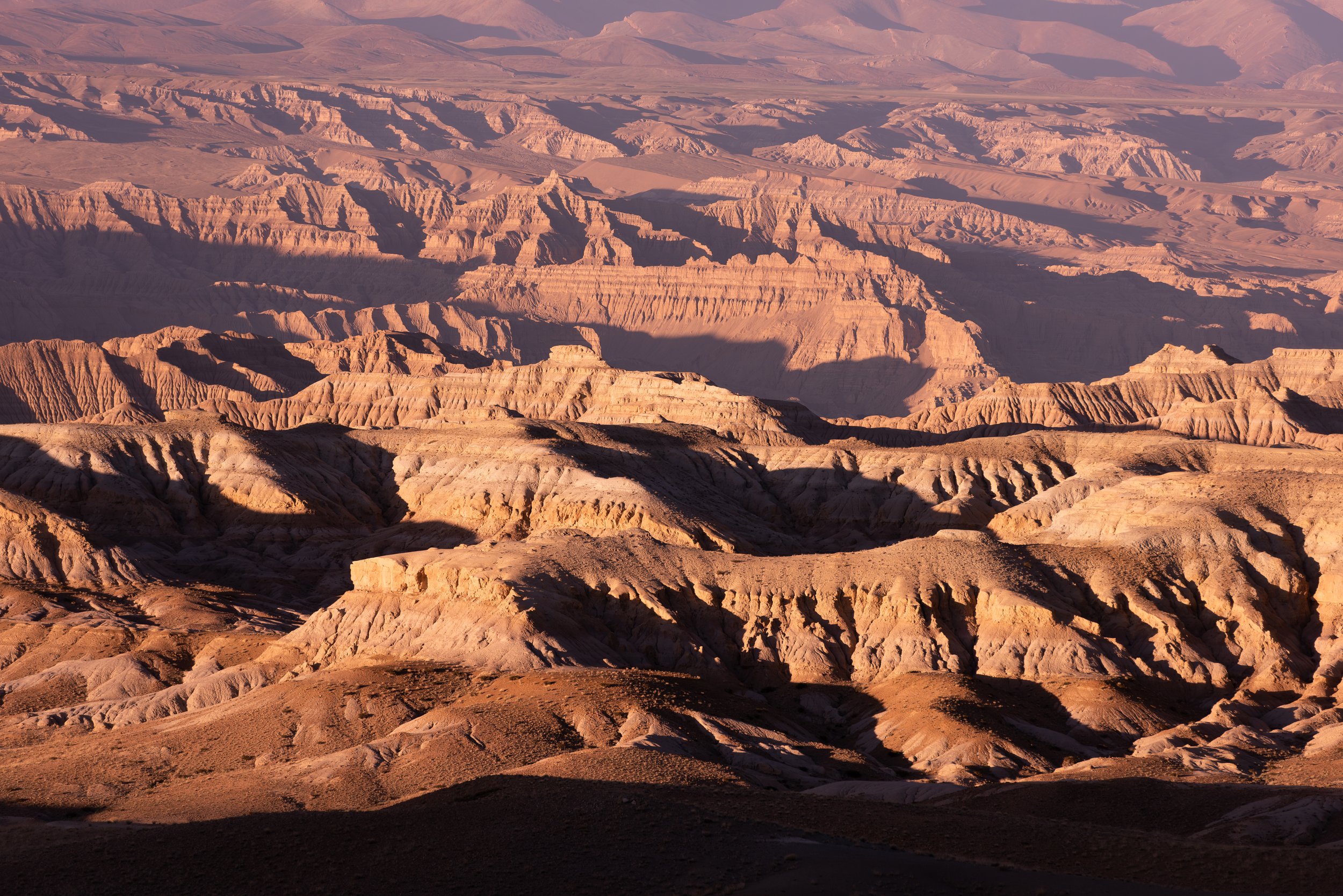
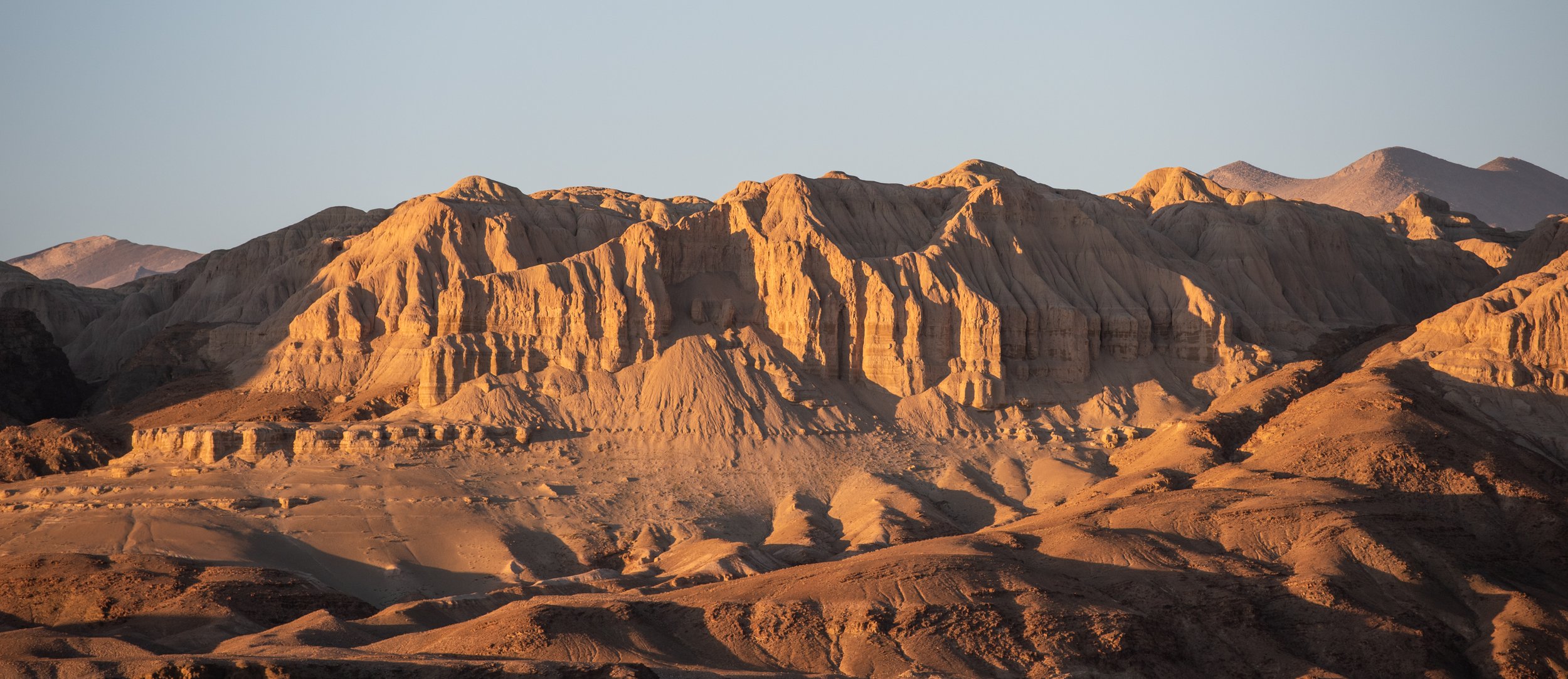
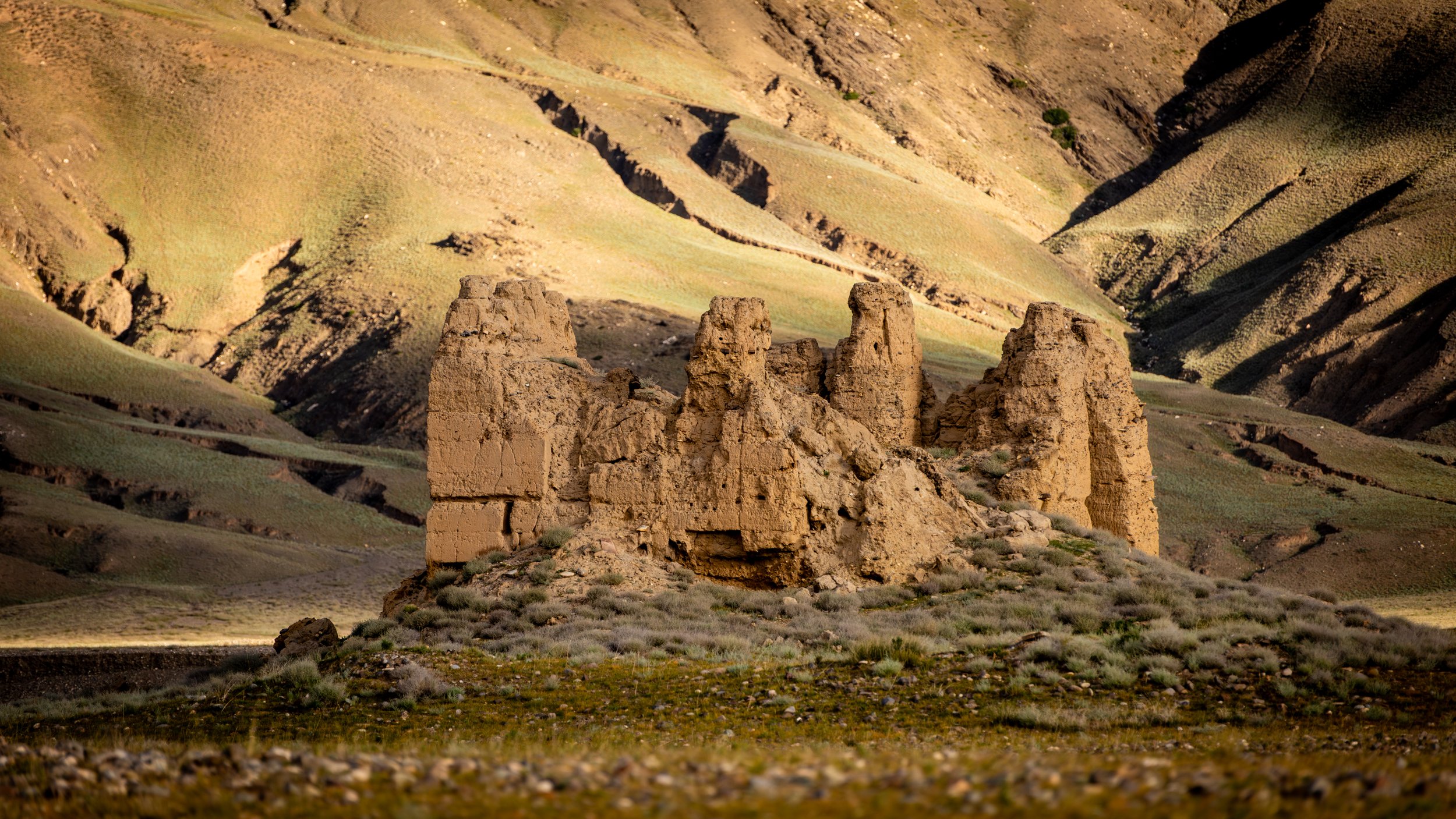
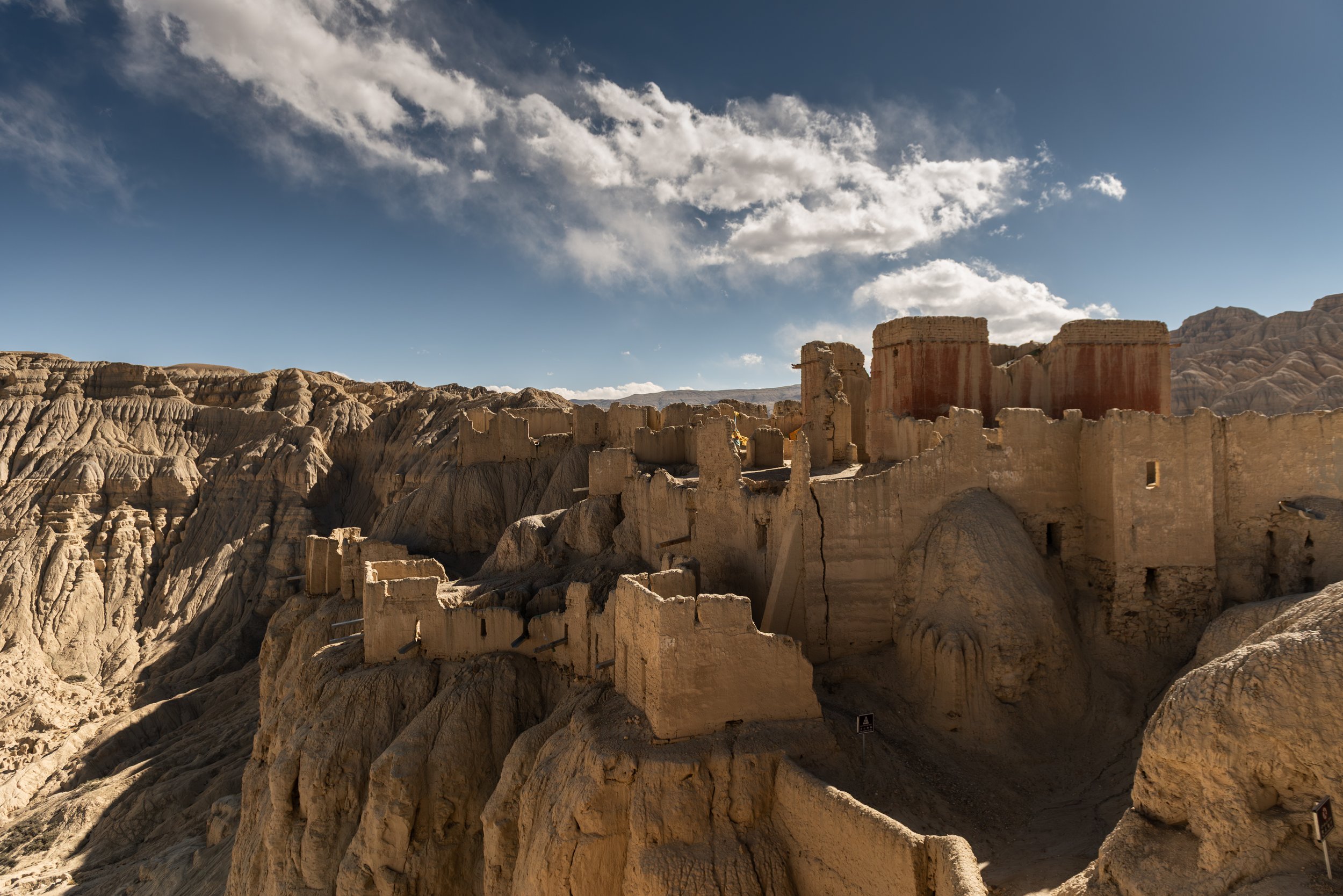
The last stage before the return leads to Zhada, into the Tibetan land of clay cliffs. Here, in the tenth century, lay one of the most important Buddhist kingdoms of Asia. What remains are caves, walls, and monastery ruins, today almost unobserved in the western reaches of Tibet. Two days in a place where time counts differently.
IV · THE TIBET OF TODAY
A country that is also changing
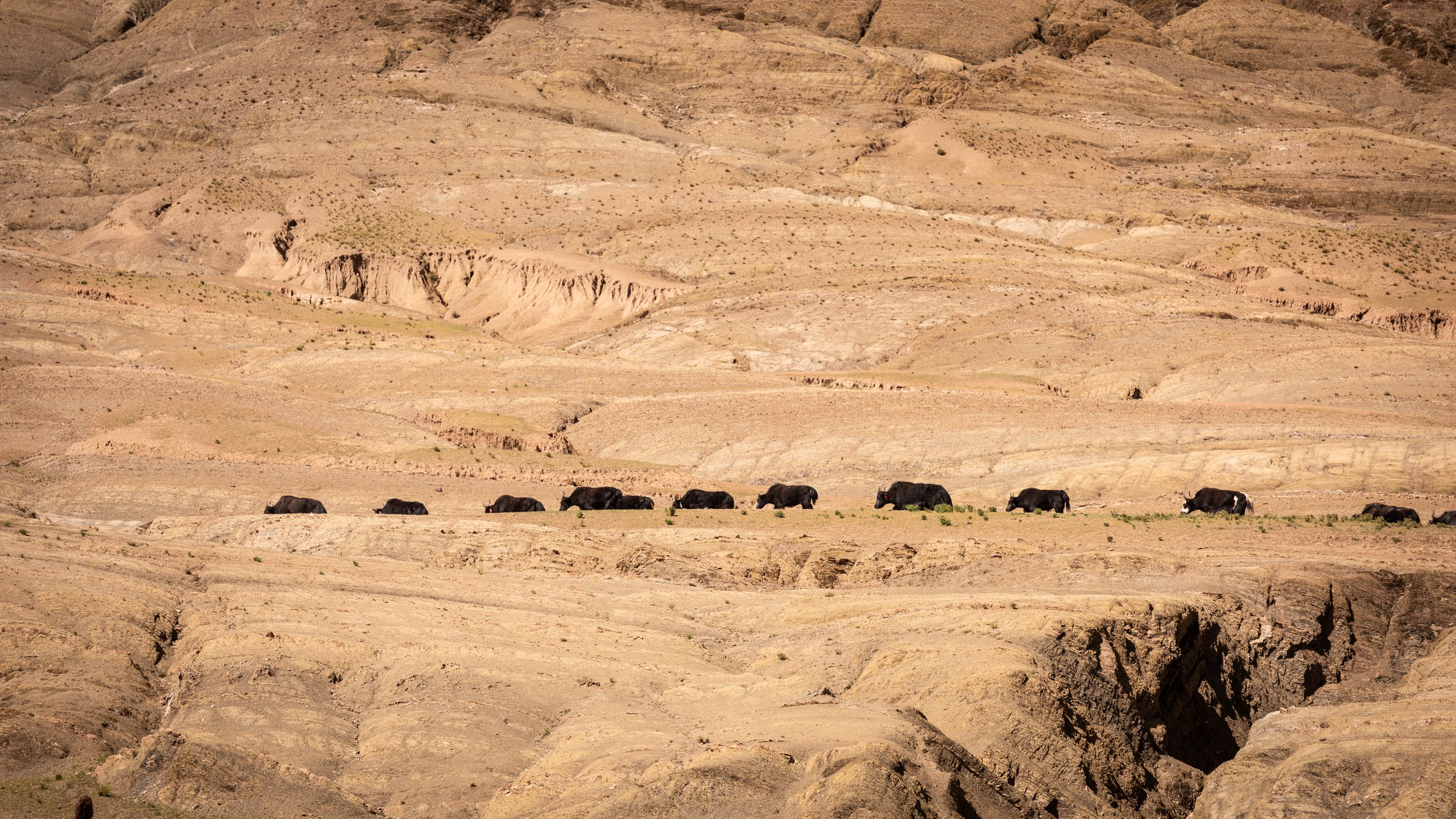
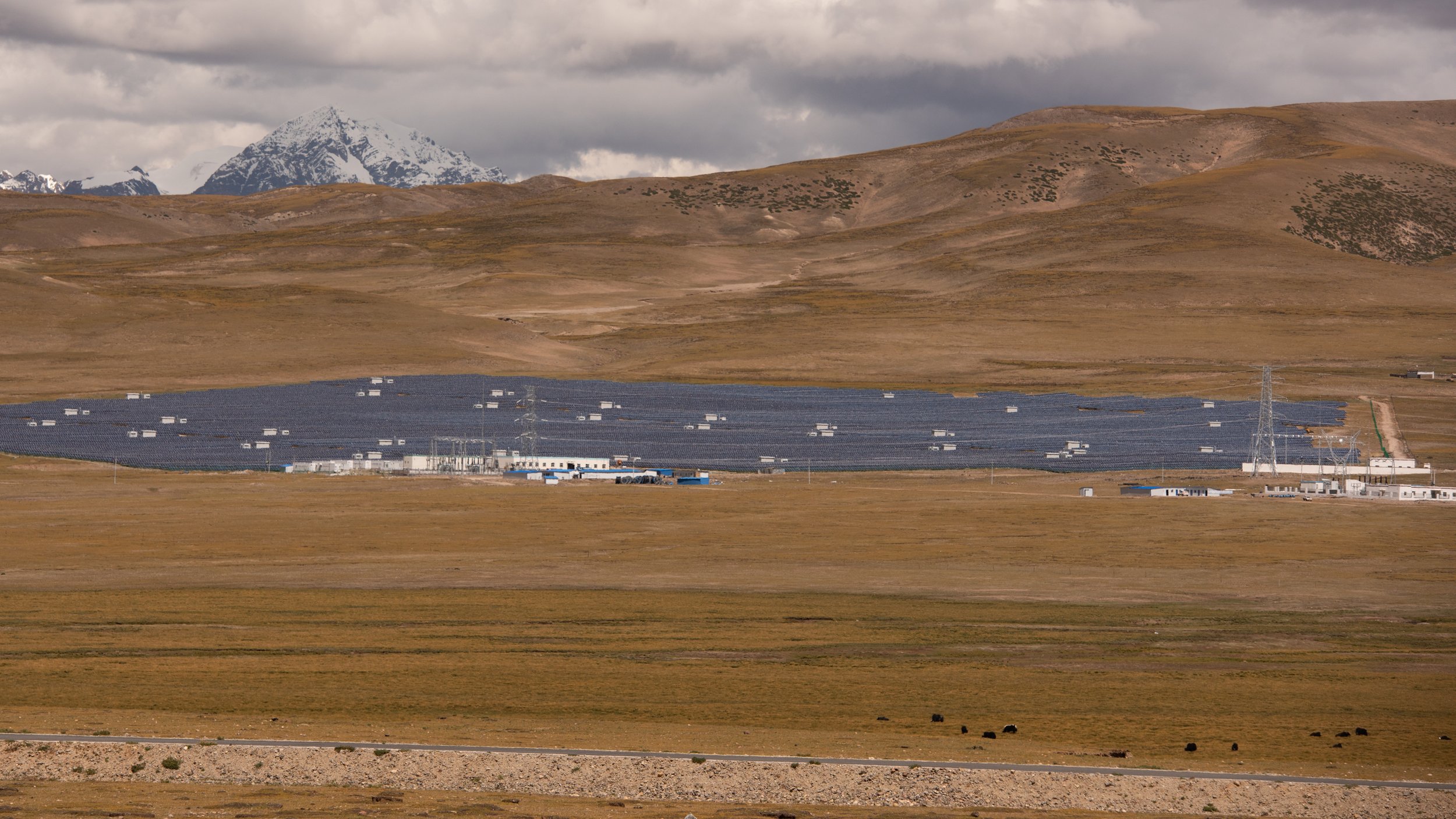
The plateau is not only ancient. Along the great roads to the west, solar installations stand in valleys that were empty a generation ago. Power lines run beside yak caravans. Mobile signal reaches places where there was no road ten years ago.
YOUR GUIDE
Jürg Kaufmann
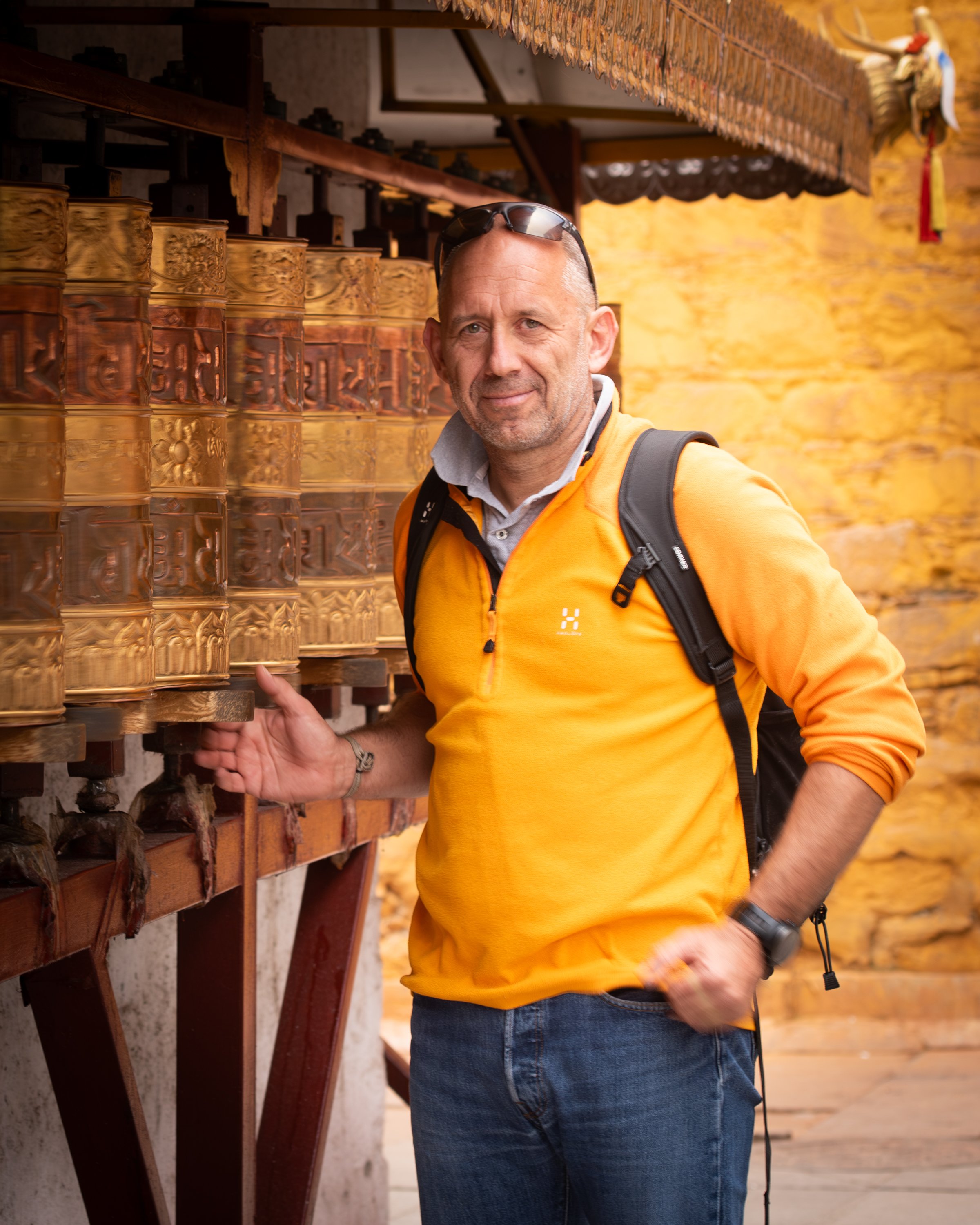
Jürg Kaufmann is a Swiss fine art and outdoor photographer. His work spans the Alps, the great sailing regattas of the world, and the highest waves of the Atlantic. His photographs are held in private and public collections worldwide.
Asia has accompanied him for three decades. From Myanmar and Laos to Cambodia, Thailand, and across China, his travels have followed the slow lines of the continent rather than its highlights.
Tibet has been part of this journey from early on, most recently in a project that remapped the route, the altitudes, and the light of the region in preparation for this expedition.
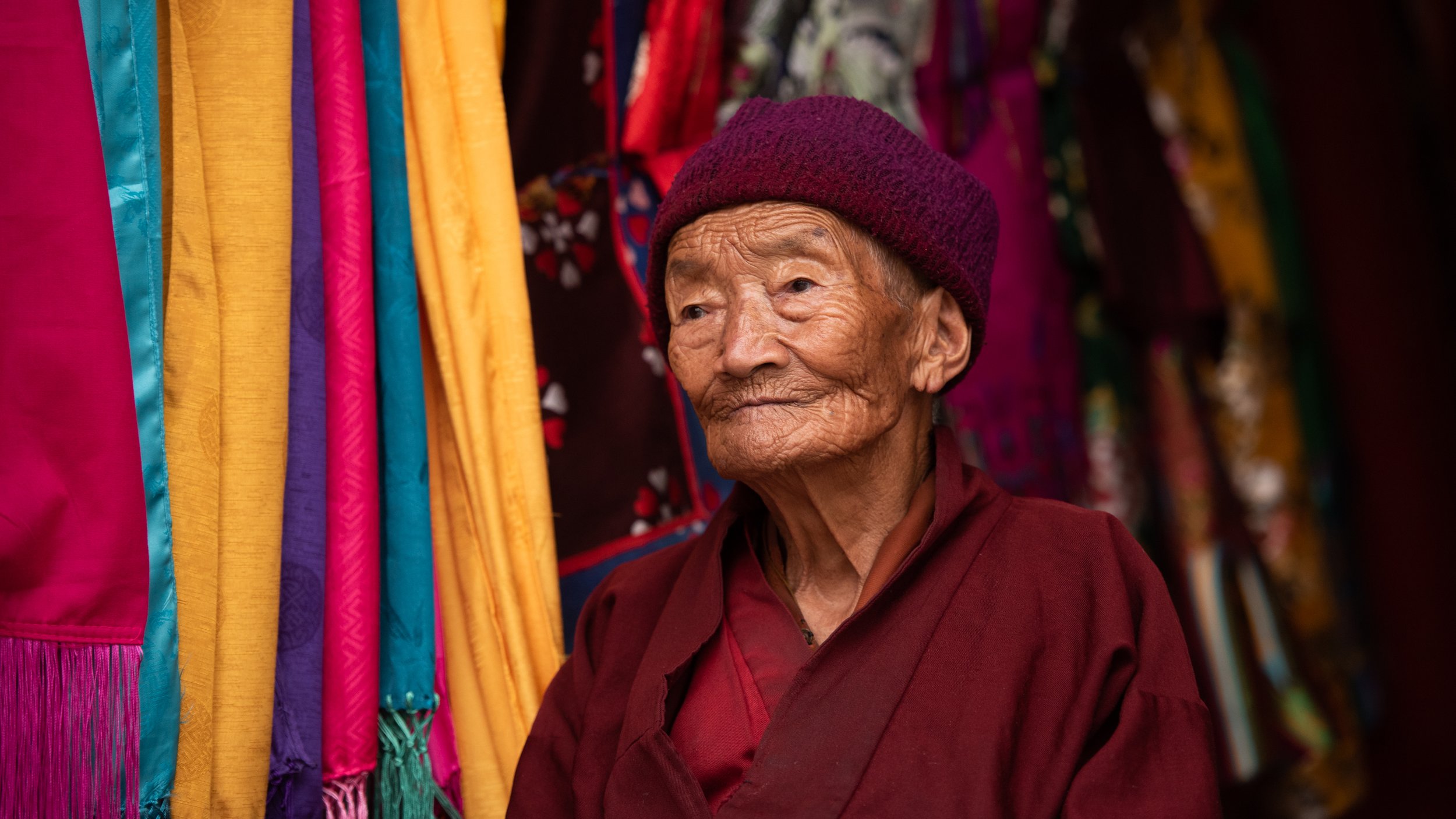
In Tibet, the group is accompanied by licensed Tibetan guides who handle the logistical and cultural part of the journey, while Jürg leads the photographic and visual experience.
THE INVITATION
The conversation is open
Six places. Eighteen days. September 2027.
An expedition for those who have had Tibet in mind for a long time, and for those who have a desire and are ready for a great journey. Both paths are welcome.
If you would like to stay informed, write to us. You will receive the next step directly in your inbox. No marketing, no pressure. Only the information that the project is moving forward.
We are glad to welcome you
Write to us. Before a place is held we have a short conversation by phone or video.
office@juergkaufmann.media
Your enquiry goes to Jürg Kaufmann personally. We use your details only to reply and do not pass them on.
FREQUENTLY ASKED QUESTIONS
What you may want to know
Which places does the Tibet expedition include?
Lhasa, Shigatse with the monastery of Tashilhunpo, the sacred lakes Yamdrok Yumtso and Manasarovar, Mount Kailash, the kingdom of Guge at Zhada, and Rongbuk with a view of the north face of Everest.
When does the expedition take place?
In September 2027. Eighteen days. More details will follow.
How many guests will travel?
Six. This number is not artificially limited but reflects the logistical and regulatory reality of western Tibet. From the constraint, the value follows.
Who leads the expedition?
Jürg Kaufmann. On the ground, the group is also accompanied by licensed Tibetan guides experienced in the region, who handle local logistics and cultural interpretation.
What does it cost?
The expedition is in the range of CHF 14,000 to 16,000 per person. More details will follow.
Who organises the logistics?
The expedition is conducted in cooperation with an established Swiss tour operator that has specialised in Tibet for decades. We introduce our partner in the personal conversation that follows your enquiry.
What are the physical requirements?
The expedition moves at altitudes between 3,650 and 5,000 metres, with one overnight stay near 5,000 metres at Rongbuk. It requires general good health and the ability to acclimatise to altitude. The journey is designed to allow for acclimatisation.
Do I need photographic experience?
No. This expedition is a journey in which photography serves as a tool of seeing. Jürg adapts his guidance to your level of experience and your equipment. Travelling with a smartphone works just as well as travelling with a modern mirrorless system.
SEPTEMBER 2027
Tibet does not reveal itself quickly. It asks for patience and rewards it with something you will not find elsewhere.
Everything we do has an impact. Make yours count.
#consideryourimpact
Jürg Kaufmann · Updated November 2026